New Breakthrough in Voynich Manuscript Cipher
15th century mysterious book 'Voynich Manuscript' may have been written using cipher. AI analysis reveals new patterns
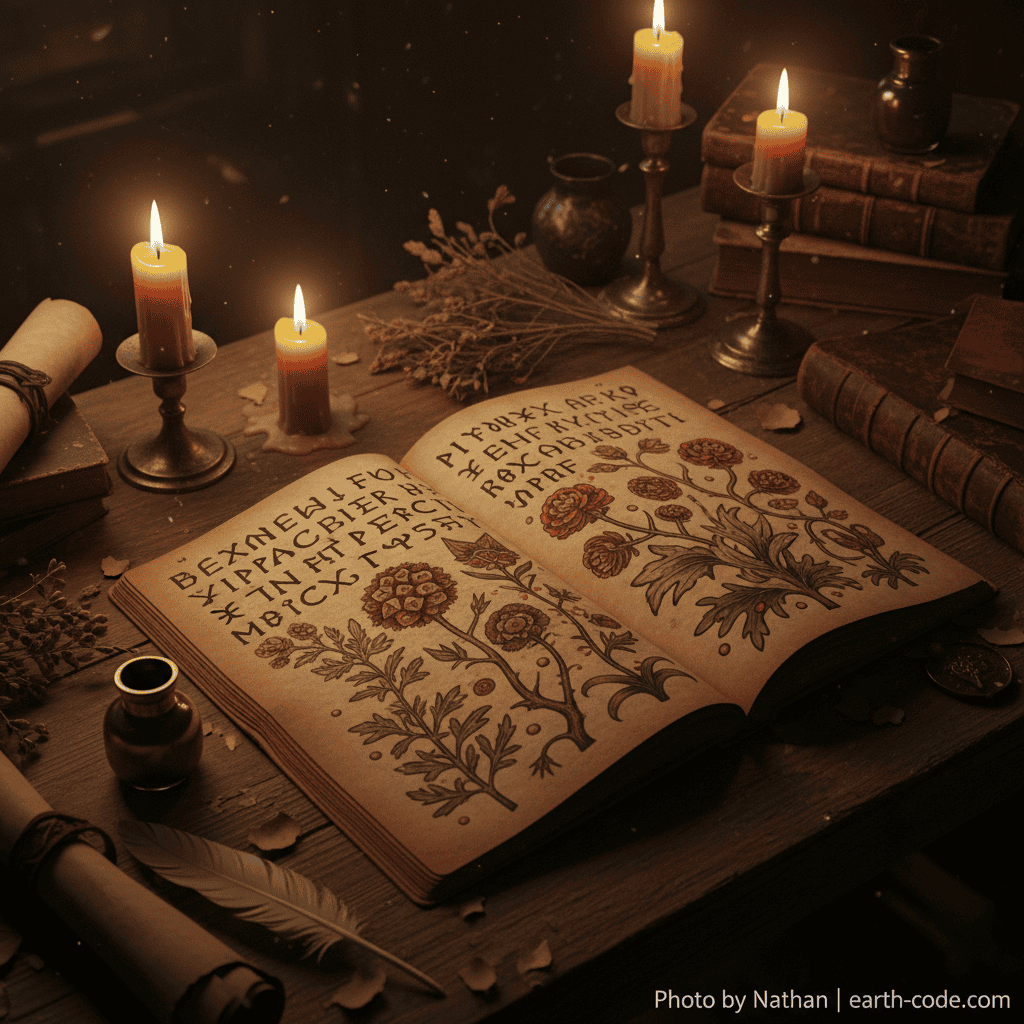
AI sheds new light on ancient cipher that puzzled experts for 500 years.
AI Breakthrough Reveals Hidden Patterns in the World's Most Mysterious Medieval Text
The Enigma That Has Baffled Scholars for Centuries
For over 600 years, the Voynich Manuscript has stood as one of history's greatest unsolved puzzles. This extraordinary 240-page medieval codex, carbon-dated to the early 15th century, contains an elaborate collection of botanical, astronomical, and biological illustrations accompanied by text written in an entirely unknown script. Named after rare book dealer Wilfrid Voynich, who acquired it in 1912, this mysterious tome has resisted every attempt at decipherment despite attracting the attention of world-class cryptographers, linguists, and codebreakers for over a century.
Revolutionary AI Analysis Uncovers New Cipher Patterns
Recent developments in artificial intelligence have breathed new life into efforts to crack the manuscript's secrets. Advanced machine learning algorithms, trained on vast databases of historical texts and cipher systems, have identified previously undetected patterns within the manuscript's enigmatic script. These AI-driven analyses suggest that the text may indeed be written in a sophisticated cipher system, rather than representing a natural language or elaborate hoax as some scholars have proposed.
The breakthrough came when researchers at several universities applied neural network technology to analyze the manuscript's linguistic structure. The AI identified recurring patterns that align with known medieval cipher techniques, including possible letter substitution systems and steganographic methods used by 15th-century scholars and alchemists. Particularly intriguing is the discovery of statistical regularities in character frequency that mirror those found in encrypted Latin texts from the same period.
Decoding Medieval Secrets
The manuscript's 240 vellum pages contain approximately 170,000 characters written in what appears to be 20-25 unique symbols. The text is organized into distinct sections: detailed botanical drawings of unidentifiable plants, astronomical charts featuring zodiacal symbols, and biological illustrations including mysterious bathing figures connected by an intricate network of tubes and vessels.
Previous decipherment attempts have proposed everything from a constructed language to an early form of Ukrainian, from alchemical recipes to medical treatises. However, the new AI findings suggest these efforts may have been searching in the wrong direction entirely. The computer analysis indicates the text could be Latin encrypted through a complex substitution cipher, possibly employing multiple keys or a polyalphabetic system that would have been cutting-edge cryptography for the 1400s.
Implications for Medieval History
If confirmed, this breakthrough would revolutionize our understanding of medieval cryptographic sophistication. The manuscript's apparent encryption suggests it may contain genuinely sensitive information—perhaps alchemical formulas, medical knowledge, or even political secrets that required protection from authorities like the Inquisition.
The timing coincides perfectly with the manuscript's probable creation during the early 1400s, a period of intellectual ferment when European scholars were rediscovering ancient Greek and Arabic texts while developing increasingly sophisticated methods of concealing dangerous knowledge.
While complete decipherment remains elusive, these AI-driven discoveries represent the most promising advance in Voynich research in decades, offering hope that this medieval mystery may finally yield its secrets.
[!] Various theories exist. Information may contain errors.