Sumerian King List - Kings Who Ruled for 240,000 Years
Super-long-lived kings recorded in ancient Sumer. Myth or history?
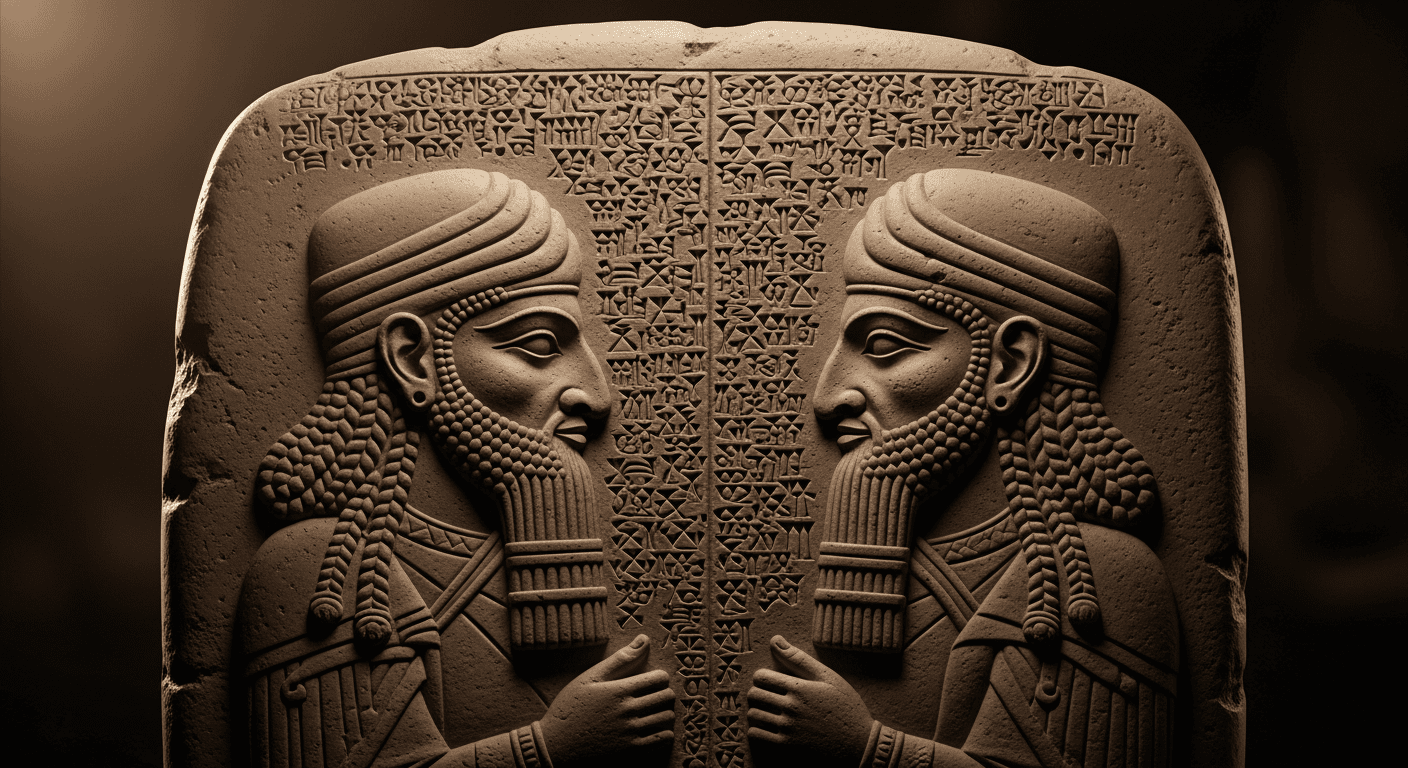
The Sumerian King List: When Mortals Ruled for Millennia
Ancient Records of Impossible Reigns
Deep within the cuneiform tablets of ancient Mesopotamia lies one of history's most perplexing documents: the Sumerian King List. This remarkable text, dating to approximately 2100-2000 BCE, records the reigns of Sumerian rulers with a startling claim—eight antediluvian kings who collectively ruled for 241,200 years before the Great Flood swept across the land.
The longest-reigning monarch listed is Alulim of Eridu, who allegedly ruled for 28,800 years, followed by Alaljar with 36,000 years. Even the shortest reign among these primordial rulers lasted 18,600 years—a lifespan that defies all biological understanding.
Multiple Witnesses to an Ancient Mystery
The Sumerian King List isn't a singular anomaly. Archaeologists have discovered more than 15 different copies of this text across various Mesopotamian sites, including Nippur, Larsa, and Isin. The remarkable consistency between these copies suggests the information wasn't merely scribal fantasy but represented an established historical tradition maintained across centuries.
The most complete version, known as the Weld-Blundell Prism, currently housed in Oxford's Ashmolean Museum, begins with the famous line: "After the kingship descended from heaven, the kingship was in Eridu." This divine origin of rulership sets the tone for the extraordinary claims that follow.
The Flood Divide
What makes the King List particularly intriguing is its clear division between pre-flood and post-flood rulers. After describing the eight antediluvian kings, the text dramatically states: "Then the flood swept over." Following this cataclysmic event, the recorded reigns become progressively more realistic, dropping from tens of thousands of years to hundreds, and eventually to historically verifiable lengths.
This pattern mirrors flood narratives found in other ancient cultures, including the Biblical account of Noah and the Epic of Gilgamesh, suggesting a shared cultural memory of a catastrophic deluge.
Decoding the Impossible Numbers
Several theories attempt to explain these astronomical lifespans. Some scholars propose the numbers represent dynasties rather than individual rulers, with each "king" actually symbolizing an entire ruling house. Others suggest the Sumerians used a different numerical system or calendar, making direct conversion to modern years problematic.
Archaeological evidence supports the existence of some locations mentioned in the King List. Eridu, the first city according to the text, has been excavated and shows continuous occupation dating back to 5400 BCE, making it one of the world's oldest known cities.
Historical Anchor Points
Remarkably, as the King List progresses into later periods, it becomes increasingly accurate. Kings like Gilgamesh of Uruk (listed as ruling 126 years around 2700 BCE) correspond with archaeological evidence and other historical sources, lending credibility to the document's later entries.
The list serves as both historical record and mythological narrative, preserving Sumerian beliefs about divine kingship, cosmic cycles, and humanity's relationship with the gods. Whether these extraordinary reigns represent metaphorical truth, corrupted historical memory, or something else entirely continues to fascinate scholars worldwide.
[!] Various theories exist. Information may contain errors.