Pollen Analysis - 70,000 Years of Forest Memory in Varves
Analyzing pollen in varves reveals past vegetation changes and climate. The history of Japanese forests becomes clear
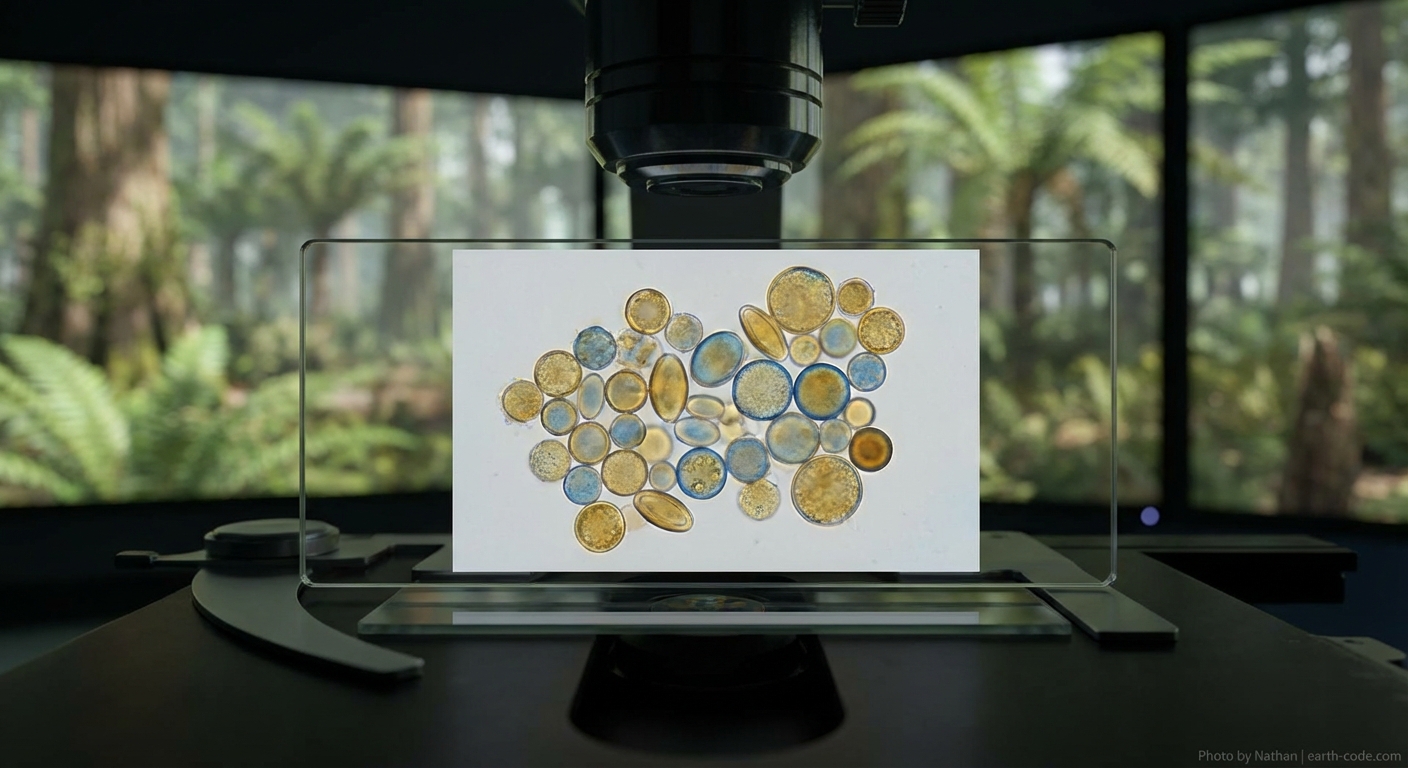
70,000 Years of Forest Memory: How Ancient Pollen Reveals Japan's Climate Story
Deep beneath the pristine waters of Lake Suigetsu in central Japan lies one of archaeology's most extraordinary time capsules. Here, in layers of sediment called varves, microscopic pollen grains have been perfectly preserved for 70,000 years, creating an unparalleled record of how Japan's forests have responded to dramatic climate changes, ice ages, and eventually human intervention.
Nature's Perfect Archive
Lake Suigetsu's unique anaerobic bottom waters create ideal preservation conditions where oxygen-starved sediments protect delicate pollen grains from decay. Each annual varve layer acts like a page in nature's history book, with approximately 60,000 individual layers documented by researchers. These varves, formed by seasonal deposits of light and dark sediment, contain thousands of pollen grains that tell the story of surrounding vegetation.
Palynologists—scientists who study ancient pollen—can identify specific tree and plant species from these microscopic fossils, each grain measuring just 10-100 micrometers. The discipline requires extraordinary precision, as researchers must distinguish between closely related species based on subtle differences in pollen morphology.
Ice Age Revelations
The Suigetsu pollen record reveals dramatic vegetation shifts during the Last Glacial Maximum around 20,000 years ago. During this period, Japan's lush temperate forests gave way to sparse grasslands and cold-adapted conifers. Pollen analysis shows that Japanese cedar (Cryptomeria japonica) populations crashed by over 90%, while hardy grasses and herbs dominated the landscape.
As temperatures warmed during the Holocene period beginning 11,700 years ago, the data shows a remarkable forest recovery. Deciduous broadleaf species like Japanese beech (Fagus crenata) and various oak species (Quercus) gradually recolonized the region. By 8,000 years ago, mixed deciduous-coniferous forests similar to today's had established themselves.
Human Fingerprints in Ancient Forests
Perhaps most intriguingly, the pollen record captures humanity's growing impact on Japan's forests. Around 2,500 years ago, significant changes appear in the vegetation patterns. Rice cultivation indicators become prominent, while natural forest pollen decreases markedly in certain areas.
The introduction of chestnut (Castanea crenata) cultivation shows clear human management, with pollen concentrations increasing dramatically during the Jomon period (14,000-300 BCE). Some researchers suggest these changes represent Japan's first major anthropogenic landscape modifications.
By 1,000 years ago, human impact becomes unmistakable. Pollen from Japanese cypress (Chamaecyparis obtusa) and other timber species shows evidence of selective forestry practices, while indicators of agricultural clearings multiply throughout the sediment record.
Climate Lessons from the Past
Today's climate scientists use Suigetsu's pollen data to understand how forests might respond to modern warming. The record suggests that temperature increases of just 2-3°C can trigger major vegetation shifts within decades rather than centuries. This research provides crucial baseline data for predicting future forest dynamics in a changing world.
The Lake Suigetsu pollen archive represents one of the most complete continental climate records available anywhere, offering insights into natural climate variability and ecosystem resilience that extend far beyond Japan's borders.
[!] Various theories exist. Information may contain errors.