Was Stonehenge an Ancient Acoustic Device?
Stone arrangement amplifies specific frequencies. May have been used in ancient rituals
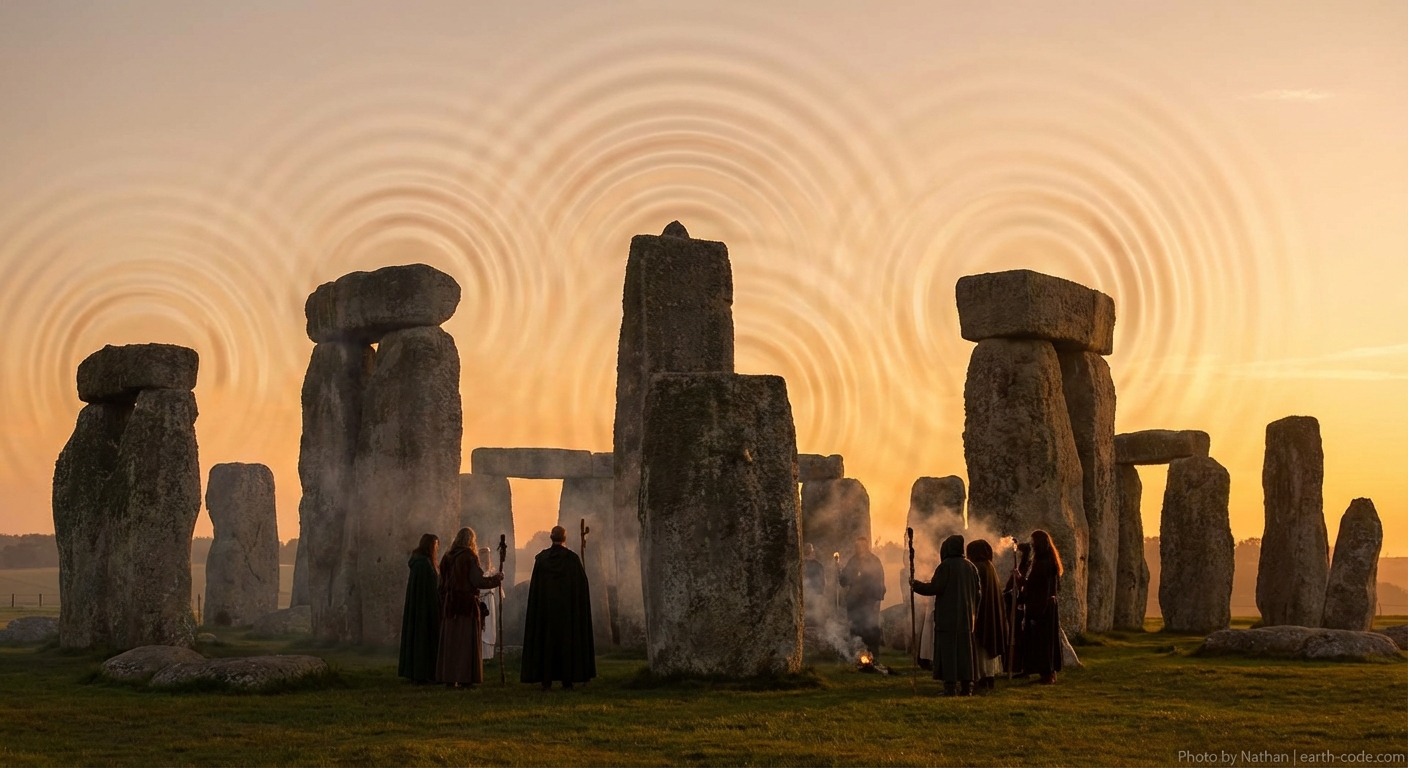
Stone arrangement amplifies specific frequencies. May have been used in ancient rituals
Was Stonehenge an Ancient Acoustic Device?
For centuries, Stonehenge has captivated archaeologists and the public alike with its mysterious purpose and remarkable construction. While theories about its function have ranged from astronomical observatory to healing temple, recent acoustic research suggests the ancient monument may have been designed as a sophisticated sound amplification device, fundamentally changing our understanding of Neolithic engineering capabilities.
The Science of Stone Circle Acoustics
Modern acoustic analysis has revealed that Stonehenge's circular arrangement of massive sarsen stones creates unique sound properties that would have been impossible to achieve by accident. When the monument was complete with its full ring of trilithons and lintels, it would have formed a semi-enclosed acoustic chamber capable of amplifying and focusing sound waves.
Researchers using computer modeling and scale replicas have discovered that the stone circle enhances frequencies between 95-110 Hz—precisely within the range of male voices during speech and chanting. This frequency range also corresponds to what acoustic archaeologists call the "ritual frequency," commonly found in sacred sites worldwide. The stones appear to create a reverberation time of approximately 0.6 seconds, ideal for both speech intelligibility and musical resonance.
Dr. Rupert Till of the University of Huddersfield demonstrated that sounds produced within the circle are amplified for those inside while remaining barely audible to outsiders. This acoustic isolation would have created an intimate, enclosed environment perfect for ceremonial activities, allowing ancient practitioners to communicate with their deities or ancestors in a space that felt separate from the mundane world.
Archaeological Evidence for Ritual Sound Use
Archaeological findings support the theory that Stonehenge was designed with acoustics in mind. Excavations have uncovered numerous musical instruments from the Neolithic period, including bone flutes, drums made from animal skins, and wooden clappers. The positioning of cremated remains and ritual deposits suggests these acoustic properties were not coincidental but intentional.
The monument's construction timeline also aligns with the acoustic theory. The earliest phase, consisting of the circular ditch and bank, would have created basic sound-focusing properties. Each subsequent building phase enhanced these acoustic capabilities, culminating in the sophisticated sound chamber we see today.
Connecting Sound to Ancient Beliefs
The acoustic properties of Stonehenge may explain its enduring significance across millennia. Sound has played a crucial role in human ritual practice since prehistoric times, often associated with altered states of consciousness, spiritual communication, and community bonding. The low-frequency sounds that Stonehenge amplifies can induce physical sensations and emotional responses in listeners, potentially explaining the monument's reputation as a place of healing and spiritual power.
Modern Implications and Ongoing Research
While the acoustic theory doesn't diminish other proposed functions of Stonehenge—such as its clear astronomical alignments—it adds a crucial sensory dimension to our understanding of the monument. Sound may have been the missing link that unified the site's various purposes, creating a multisensory experience that combined visual spectacle, celestial observation, and auditory ritual.
Current research continues to explore how ancient builders across different cultures incorporated acoustic principles into their sacred architecture. As our understanding of prehistoric acoustics advances, Stonehenge stands as a testament to the sophisticated knowledge possessed by our Neolithic ancestors, challenging assumptions about the limitations of ancient technology and engineering.