The September 11 Code (2001) - Bible Code II
After the September 11, 2001 attacks, Drosnin published related codes in 'Bible Code II'. Patterns including 'twin towers', 'airplane', and 'Bin Laden' were reported, sparking worldwide debate
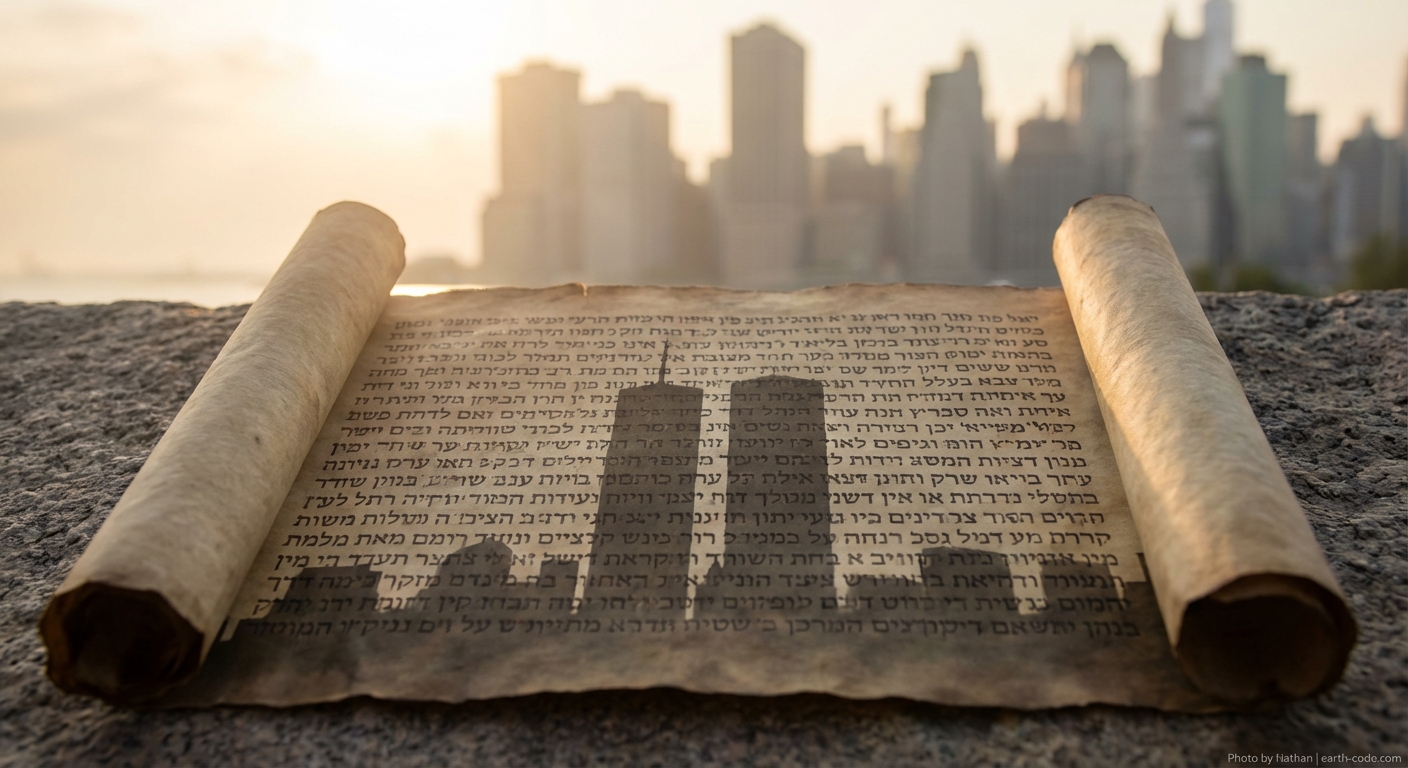
The September 11 Code: When Ancient Text Met Modern Tragedy
In the aftermath of the devastating September 11, 2001 attacks that claimed 2,977 lives, journalist Michael Drosnin claimed to have discovered something extraordinary hidden within the ancient Hebrew text of the Torah. His 2002 book "Bible Code II: The Countdown" presented what he argued were encoded predictions of the terrorist attacks, reigniting global debate about the existence of divine messages embedded in biblical text.
The Discovery Claims
According to Drosnin, using a computer analysis technique called Equidistant Letter Sequences (ELS), he found several Hebrew terms seemingly related to the September 11 attacks encoded within the Torah's original text. The reported findings included:
- 'Twin' (תאום) and 'towers' (מגדלים) appearing in close proximity
- 'Airplane' (מטוס) intersecting with terms related to destruction
- 'Bin Laden' (בן לאדן) encoded near references to terror and death
- The date itself allegedly hidden within the ancient manuscript
These discoveries were particularly striking because the Torah was completed approximately 2,500 years before the World Trade Center attacks. Drosnin argued that this temporal impossibility suggested divine foreknowledge embedded in the text.
The ELS Method Explained
The Bible Code methodology involves searching for patterns by selecting letters at equal intervals throughout the Hebrew Bible. Computer programs scan the text, creating grids where meaningful words might appear vertically, horizontally, or diagonally. Proponents argue that the statistical improbability of finding relevant terms clustered together indicates intentional encoding.
Drosnin's work built upon earlier research by mathematician Eliyahu Rips and his colleagues, who in 1994 published a peer-reviewed paper in the journal Statistical Science claiming to have found encoded names of famous rabbis near their birth and death dates.
Scientific Scrutiny and Criticism
The September 11 codes faced immediate skepticism from the academic community. Critics pointed out several fundamental problems:
Statistical concerns: Mathematicians like Brendan McKay demonstrated that similar "meaningful" patterns could be found in any sufficiently long text, including novels like "War and Peace" and "Moby Dick."
Methodology questions: Skeptics argued that the flexibility in choosing letter intervals, starting points, and acceptable spellings allowed researchers to find virtually any desired pattern through selective searching.
Language limitations: Hebrew's consonant-based writing system and multiple acceptable spellings for names like "Bin Laden" significantly increased the probability of finding apparent matches.
Cultural Impact and Controversy
Despite scientific criticism, Bible Code II became a bestseller, selling over 100,000 copies in its first year. The book's publication coincided with heightened public interest in prophecy and hidden meanings following the traumatic events of 9/11. Television documentaries, newspaper articles, and internet discussions proliferated, with believers arguing that the codes provided comfort and meaning during a time of national crisis.
However, religious scholars from multiple faiths largely rejected the codes, arguing that they trivialized sacred texts and promoted superstition over genuine spiritual understanding.
Conclusion
The September 11 Bible codes represent a fascinating intersection of ancient text, modern technology, and human psychology in the face of tragedy. While Drosnin's claims captured global attention and sparked serious academic investigation, the scientific consensus remains highly skeptical of the codes' validity as genuine prophecy.
[!] Various theories exist. Information may contain errors.